The sandwich generation needs support – what can help senior caregivers in Canada?
Senior Care · Jun 5, 2026
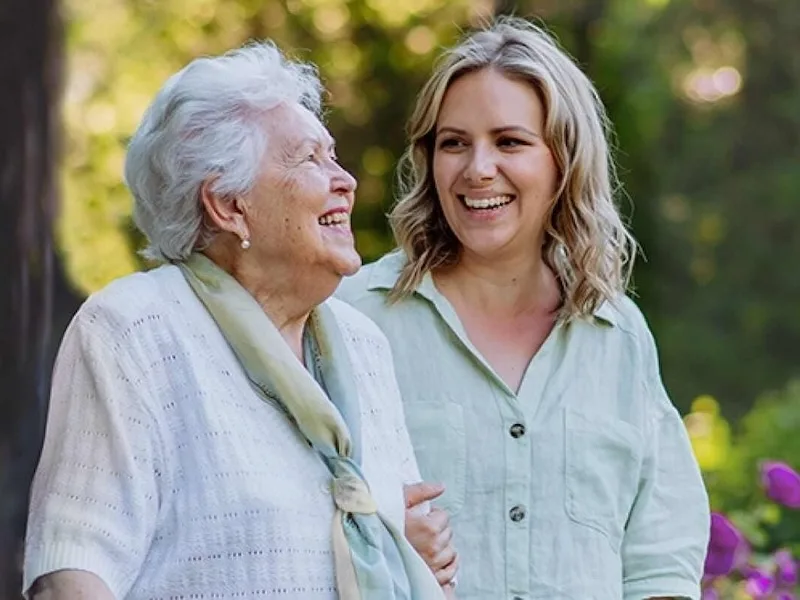
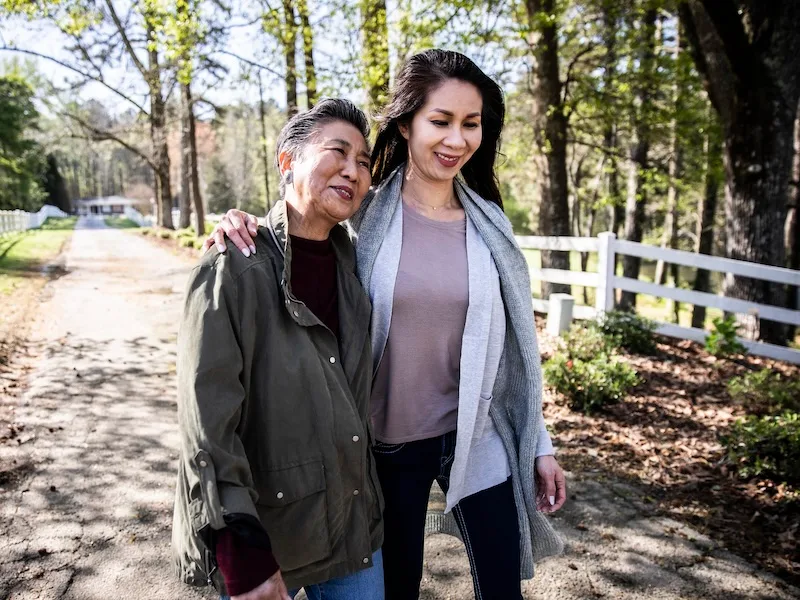
Between managing family schedules and career demands, you get the dreaded call: your senior loved one has fallen. This is the reality for the "sandwich generation" –
roughly 1.8 million people in Canada
who are navigating the immense responsibility of caring for aging parents while raising their own families.Support for sandwich generation caregivers may include things like:
- Community resources
- Financial programs and reimbursements
- Technology
Persistent worry about an elderly loved one's safety takes a toll on a caregiver's health, finances and stress levels, so finding the right tools and support systems can ease that weight considerably.
Read on for some helpful resources and tips to develop a more sustainable way of caring for others while still taking good care of yourself.
Canada’s sandwich generation's challenges keep growing
If you're between 35 and 54 years old and simultaneously support both older and younger family members, you're part of the sandwich generation. It's a role that requires balancing competing demands without adequate support systems, often involving substantial unpaid labour and emotional energy.
With increasing life expectancy and rising cost-of-living pressures in Canada, adult children may find themselves in the middle of a multi-generational family – whether under the same roof or across provinces. And more families face the reality of needing to provide hands-on care or assistance for older loved ones, as many wish to age in place at home.
Understanding these dynamics helps you recognize that you're navigating a widespread, structural social challenge. And that it’s not an uncommon experience.
Why does caregiving take such a toll on your health and wellbeing?
More than 8 in 10 sandwich caregivers report that caregiving has negatively affected their health or wellbeing. The physical and emotional impact is measurably higher than for those caring only for children or only adults.
The
physical and emotional impact of multi-generational caregiving responsibilities
is significant and well-documented:- 86 percent of sandwich caregivers say caregiving has affected their health or wellbeing
- The most common effects? Feeling tired, worried, anxious or overwhelmed.
- The negative impact is higher for sandwich caregivers compared to either adult-only caregivers (74 percent) and child-only caregivers (62 percent)
- 93 percent of sandwich generation women report negative wellbeing impacts (compared to 76 percent of men)
- Women reported significantly more time caregiving each week compared to men – about 4 more hours caring for dependent adults, double this caring for children
- 66 percent of non-retired caregivers said their caregiving responsibilities interfered with their employment or job-seeking
Adjusting your schedule, reducing work responsibilities, or stepping back from advancement opportunities doesn't necessarily make for a sustainable way to look after your loved ones – or yourself. But for many in the sandwich generation, the hardest part isn't the logistics – it's the quiet loss of something harder to name. Somewhere between the daily check-in calls and the 3 am worry spirals, you stopped being just a daughter or a son. You became a caregiver, full stop.
Finding the right combination of strategies and technology support can help ease caregiver burden and create more balance. The key is recognizing that seeking support isn't a sign of failure or weakness – it's what makes long-term caregiving possible. And it's a step toward being both a caregiver and a daughter or son again.
Financial considerations for caregivers
$5,800 – the average yearly out of pocket expenses
spent by Canadian caregivers on care-related expenses.Caregiving carries substantial financial implications, including unpaid labour, tools and resources. To juggle expenses, caregivers often dip into savings to incur additional debt, creating financial vulnerability for the sandwich generation. The economic impact of caregiving extends beyond individual families, affecting career advancement, work hours and long-term savings.
- $1.3 billion is lost annuallyin economic contribution because of reduced workforce participation among caregivers
Support programs like the
Canada Caregiver Credit
may provide some relief, but understanding the full costs of caregiving can help you develop a realistic budget of your time and resources. Additionally,
TELUS Health for Good
offers low-cost medical alert services to eligible individuals, acknowledging that financial constraints shouldn't prevent access to reliable safety monitoring. Planning with a realistic outlook can help work around financial pressures. This might include exploring technology solutions that reduce your time burden, investigating employer benefits that support caregivers, and having transparent family discussions about sharing costs.
Why do so many caregivers feel isolated?
One in five Canadian family caregivers (
20 percent
) report experiencing social isolation as a result of their role.Caregiving is a deeply personal and private experience, even when it's a widely shared, generational experience.
Many caregivers worry about burdening friends, appearing incapable to family members, or admitting they're struggling. The fear of being seen as unable to "handle it" can prevent people from accessing support that could help ease their burden.
Breaking through this isolation often starts with considering help from family, community resources, and even technology before reaching a crisis point.
Technology solutions like
TELUS Health Medical Alert
can help reduce the pressure of constantly checking in and give you the breathing room to focus on other responsibilities, including yourself. Knowing that professional monitoring can be a safety net doesn't require coordinating schedules or asking for favours.Traditional caregiver support systems fall short, but tech can fill gaps
The challenges of caregiving extend well beyond individuals and their immediate families.
Provincial health care variations mean available resources may differ substantially across the country, but technology can help fill critical gaps while systemic changes are still needed.
Navigating fragmented systems while managing dual caregiving responsibilities leaves many feeling unsupported by the very institutions meant to help.
Accessing resources for yourself or your loved one is exactly where technology can help fill critical gaps. While systemic changes are needed, families need to alleviate the pressure today.
Caregiving at a distance with TELUS Health Medical Alert
The mental burden of constant vigilance is one of the main stressors for sandwich-generation caregivers.
Frequent check-in calls and the worry that sets in if your parent doesn’t answer quickly, these are just some of the stressors tugging at caregivers.
TELUS Health offers a
Choosing the best medical alert system
for your family can make a meaningful difference for both you and your senior loved one.TELUS Health offers a
Medical Alert Pendant with fall detection
and a home-based emergency button for seniors
.For your parent or senior loved one, accepting a medical alert system isn't about admitting decline, it's about finding ways to protect the independence they value. Many seniors resist safety technology at first because they fear it shows that they can't manage on their own.
The goal of a system like TELUS Health Medical Alert is the exact opposite: it supports their ability to continue living independently at home, with confidence that help is available if needed. When you frame the conversation around continued independence rather than limitation, it becomes easier to agree on a solution that can support everyone.
Knowing that they have access to 24/7 professional help through a system like TELUS Health Medical Alert helps ease the stress you shoulder in looking after your loved ones. The TELUS Health Medical Alert System provides immediate connection to trained operators who can assess situations and coordinate appropriate responses – whether that means calling designated family members, contacting neighbours or dispatching emergency services.
This professional layer of support means you're not the only safety net, reducing the pressure to be constantly available.
Using the
Caregiver Mobile app
included with TELUS Health Medical Alert lets you check in from a distance without intruding on their day-to-day independence. You can customize notifications, view activity status like steps, device battery life or first motion and access location information while maintaining your loved one’s independence. (2) So next time, you can feel more present at your child's piano recital, soccer game, or work meeting, knowing that TELUS Health Medical Alert can notify you directly on your phone if your parent truly needs help.
Establishing boundaries and building a caregiver support network
Prioritizing your own wellbeing isn't selfish – it's essential to providing care for others sustainably.
It’s essential for caregivers to establish clear boundaries around your availability, delegating tasks to others and the network you may need to call on for support well ahead of a crisis happening.
Practical boundary-setting might include:
- Designated response times for non-emergency calls and texts
- Shared responsibility schedules with siblings or other family members
- Regular personal time that you protect as fiercely as medical appointments
- Technology solutions that reduce the need for constant manual check-ins
Finding health care providers that fit your schedule matters, too. Virtual care through the
TELUS Health MyCare app
can connect you with healthcare providers, whenever and wherever you need it, without adding coordination burden to your already full plate.Remember, asking for help isn't a bad thing. Building a support network is the key to making caring for others work for everyone, including you.
How do you know when it’s time to ask for caregiving help?
Spotting the signs for when a senior loved one may need outside assistance can help you act early, not in crisis.
There comes a point in many caregiving journeys when outside assistance becomes necessary to maintain the quality of life for everyone involved.
This might include:
- In-home care services for assistance with daily activities
- Senior day programs for socialization and structured activities
- In-home and mobile safety solutions like handrails, walking aids, and medical alert devices
- Changes to living arrangements and caregiving duty distribution
TELUS Health Medical Alert can be a valuable part of your broader senior care strategy, providing consistent safety monitoring that may help keep aging in place a viable option longer. It works alongside other services you arrange, creating a comprehensive safety net that doesn't rely on any single person being available 24/7.
As your loved one's needs evolve, having reliable technology in place provides a foundation for other services to build on. It's often the difference between reactive crisis management and proactive care.
Move forward with caregiver support that fits your needs
Juggling caregiving responsibilities across multiple generations is challenging, but a wide range of support options is available to caregivers and their loved ones.
By combining thoughtful planning, family coordination, and reliable technology support like TELUS Health Medical Alert, you can create caregiving practices that serve everyone better.
Understanding the extent – the 86 percent experiencing negative wellbeing impact, financial strain and changes at work – helps give face to the broader social challenge of Canadian sandwich caregivers.
Ready for fewer 3 am worry spirals? Learn how
TELUS Health Medical Alert
can provide the reliable safety monitoring that gives you confidence and your loved one more independence.Navigate life’s changes with more ease and confidence with TELUS Health Medical Alert.
FAQs
What is the sandwich generation?
The sandwich generation refers to adults, typically between 35 and 54 years old who are simultaneously caring for aging parents while raising their own families. In Canada,
roughly 1.8 million people
are part of the sandwich generation.How do I know if my parent needs more support at home?
Signs that your parent may benefit from additional support include frequent falls or close calls, difficulty managing medications, missed appointments, changes in personal or home hygiene, seeming more confused or forgetful than usual, and social withdrawal. You might also notice your own stress levels increasing or checking in more frequently. If you're experiencing persistent anxiety about their safety, it's worth having a conversation about support options before a crisis occurs. Medical alert systems can provide a layer of support while helping your loved one feel more independent. Always consult a professional.
Is it normal to feel overwhelmed as a sandwich generation caregiver?
More than
86 per cent of sandwich caregivers report that caregiving has negatively affected their health or wellbeing
, with the most common effects being feeling tired, worried, anxious, or overwhelmed. This impact is measurably higher for sandwich caregivers compared to those caring only for children or only for adults. Recognizing these feelings can be the first step to find support that can help ease the burden. Always consult a professional.What are the options for caregivers living far away from their aging parents?
Distance caregiving presents unique challenges, but technology can help bridge the gap. Medical alert systems with mobile apps, like the Caregiver Mobile app included with TELUS Health Medical Alert, allow you to check in remotely, customize notifications, view activity status, and access location information without intruding on your loved one’s independence. There are many options for caregivers to help build a comprehensive support network that doesn't rely on your physical presence, including leaning on neighbours, local providers and support groups.
How can I support my senior parent without taking away their independence?
Frame conversations around continuing independence with their safety in mind. For example, "This medical alert system helps you stay at home safely." Involve them in decision-making about support solutions and respect their daily routines and privacy. Medical alert systems like TELUS Health Medical Alert are designed to support independent living by providing access to help when it’s needed. Evaluate the best medical alert system for their needs so they can maximize their lifestyle, not diminish it.
Legal
1. The fall detection feature does not detect 100 per cent of falls. If able, users should always press their help button in any emergency.
2. GPS tracking and cellular coverage not available in all areas. GPS tracking and cellular signal accuracy vary.