Winter safety tips for seniors: avoiding slips, falls, and injuries
Senior Care · Nov 23, 2026
This article is general information and is not a substitute for professional medical advice, diagnosis, or treatment. Always talk to a qualified health professional about your own situation. If you think someone may be having a medical emergency, call 911 or your local emergency number right away.
Ice, snow and early darkness make winter the season when slips and falls are hardest to avoid. These winter safety tips for seniors focus on what changes in the colder months: walking safely on ice, choosing the right boots and traction aids, keeping entrances and driveways safe, and what to do if a fall happens outside. For tips that apply all year, see our
fall prevention guide for older adults
.Navigate life’s changes with more ease and confidence with TELUS Medical Alert.
In Canada, falls are the
leading cause of injury-related hospitalizations and injury deaths among people aged 65 or older
, and winter adds to the risk. In 2017-2018 Statistics Canada survey data reported by the Public Health Agency of Canada
, 18% of older adults who were injured in a fall were hurt while walking on ice or snow. A little planning before the first snowfall can help older adults, and the people who care for them, feel more prepared.Before the first snowfall: a winter fall prevention checklist
- Pull winter clothes, boots and accessories out of storage early so you're ready for sudden (and severe) weather changes
- Check that your boots have deep rubber tread, and buy ice grippers that fit them
- Get an ice tip for your cane, or a pair of walking poles
- Stock salt, sand or cat litter by the door
- Arrange snow removal ahead of time (family, a neighbour or a service) so you don't have to shovel
- Make sure outdoor lights on your steps and walkway are working
- Keep a flashlight by the bed in case of a power outage
- Test your carbon monoxide detectors
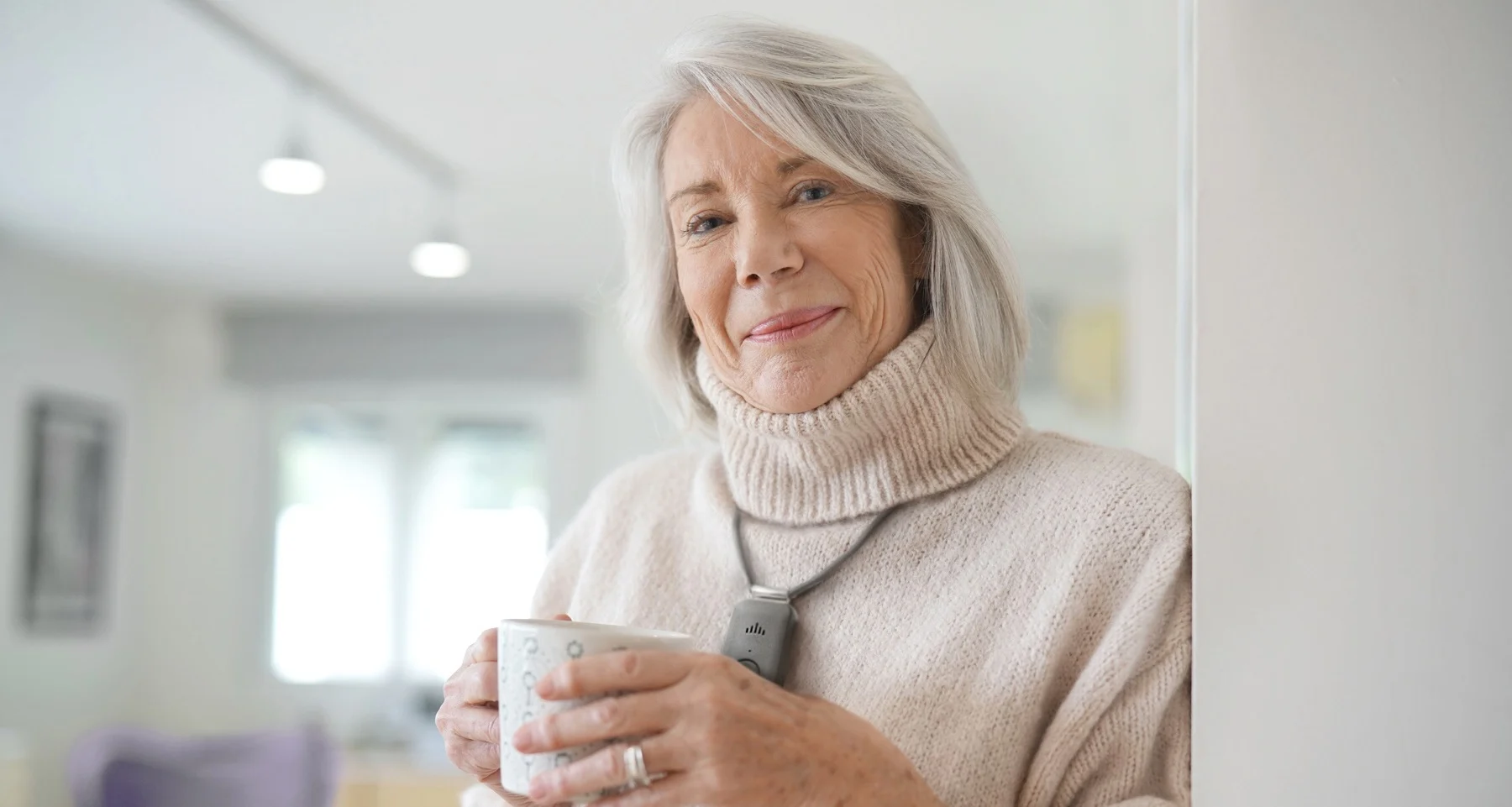
- Think through how you would get help if a slip or fall happens, such as a charged phone or amedical alertdevice you wear when you're out and about
How to walk safely on ice and snow
- Wear the right boots: Choose waterproof, insulated boots with non-slip rubber soles and a low, wide heel.RateMyTreads.com, developed by the KITE Research Institute at UHN, offers independent, lab-tested ratings for winter boot traction.
- Add ice grippers, and take them off at the door: Slip-on grippers or cleats add traction on ice, but they’re made for outdoor surfaces, so remove them before you walk on indoor floors.
- Use a cane ice tip or walking poles: A retractable ice tip on your cane, or Nordic walking poles, gives you extra points of contact on slippery ground.
- Walk like a penguin: Take short, flat steps, point your feet slightly outward, keep your knees soft and go slowly.
- Keep your hands free: Carry a backpack instead of bags, and keep your hands out of your pockets so you can catch yourself or hold a railing.
- Use handrails on every step: Hold the railing on stairs and entrance steps, even if they look clear.
- Watch for black ice: Be extra careful after dark and on days when afternoon melt refreezes. Shiny pavement may be ice, not water.
- Stay in on the worst days: During ice storms or extreme cold warnings, postpone errands and use grocery or pharmacy delivery if you can.
Keep entrances, steps and driveways safe
Pay special attention to the steps, walkways and driveway you use every time you leave home. Clear snow early, before it's packed down into ice, and spread salt, sand or cat litter for traction. Keep outdoor lights on in the late afternoon, since it gets dark early in winter.
Shovelling can be a demanding winter chore. It means working on a slippery surface while carrying weight, and it can put strain on the heart. A
large Quebec study published in CMAJ
found that the day after a heavy (20 cm) snowfall, men's odds of being hospitalized for a heart attack were 16% higher. The researchers suspect shovelling plays a role, though the study did not measure shovelling directly. Health Canada
advises that people with a heart condition may wish to avoid strenuous activities like shovelling snow, so ask your health care provider if you're unsure. If you can, ask family or a neighbour, or hire a snow removal service. If you shovel, push the snow rather than lifting it, take breaks, and try not to shovel alone.Winter hazards inside the home
Winter brings its own fall risks indoors. Place absorbent, non-slip mats at every entrance, wipe up tracked-in snow and water right away, take off ice grippers before you step inside, and keep space heater cords out of walkways. For a full, room-by-room look at fall hazards at home, see
our fall prevention guide
.Stay warm and ready for winter weather
Winter safety also means being ready for the cold itself.
- Keep your home warm: During extreme cold alerts,Toronto Public Healthadvises heating your home to at least 21°C when older adults are present, and theU.S. National Institute on Agingwarns that even mildly cool homes, about 16 to 18°C (60 to 65°F), can lead to hypothermia in older adults. If you take medications or live with a chronic condition, ask your pharmacist or health care provider whether cold could affect you.
- Dress in layers: Wear loose layers indoors and out, plus a hat, scarf and mittens when you go outside.
- Know the signs of hypothermia:Health Canadalists seniors among those at greater risk. Early signs include shivering, numb hands and feeling tired; as it gets worse, movements become slow and uncoordinated and confusion can set in. Call 911 if you suspect hypothermia.
- Protect against frostbite:Environment and Climate Change Canadawarns that exposed skin can freeze in 10 to 30 minutes when the wind chill is between -28 and -39, and faster in strong winds.
- Heat safely: Follow the manufacturer's instructions for space heaters, keep them well away from curtains and bedding, and test your carbon monoxide detectors.
- Be ready for power outages: Keep a flashlight, extra batteries, a charged phone and a supply of your medications within easy reach.
- Winterize your car: Install winter tires, top up washer fluid and keep an emergency kit in the car before the first big snowfall.
Don't let winter make you less steady
It's easy to move less when it's cold and dark. Strength and balance are important for fall prevention, so consider bringing your routine indoors with activities like yoga, Tai Chi, dancing or light resistance training, at home with guided videos or at a local community centre. Always talk to a health care provider before starting a new exercise program. Our fall prevention guide covers
strength and balance programs like Tai Chi and Otago
, and Dr. Matthew Chow explains why deconditioning is easy to miss
.If you fall outside in winter
"If you're on the ground for any period of time, it can lead to real complications, and it can meaningfully affect how well someone recovers."
That's how Wendy Evans, BScN, a clinical advisor with over 40 years of healthcare experience, explains why getting help quickly matters after a fall in "
From the hospital back home
". In winter, a fall outdoors adds another concern: waiting for help outside means time in the cold, which is one more reason it helps to be able to reach someone quickly.- Tell someone your plans: If you're heading out alone, let someone know where you're going and when you'll be back.
- Carry a charged phone: Keep it in an inside pocket where it's easy to reach.
- Don't shovel or do outdoor chores alone: Make sure someone knows you're outside.
For what to do in the moment after a fall, and why time on the ground is worth taking seriously, see "
When an older adult keeps falling
". If a fall leads to a hospital stay, Wendy's article also covers what families often miss during recovery.Getting help on the go
Medical alert
and fall detection
services can play a role here by giving someone a way to summon help, whether they’re out for a walk, at the mailbox or clearing the steps. A medical alert device is a way to call for help; it is not a treatment, and no device prevents falls
or replaces emergency care. Fall detection may not detect every fall, so a help button remains an important part of staying protected. Think of it as one more layer in a winter safety net, alongside good boots, clear walkways and a check-in plan with family.How caregivers can help during a cold snap
- Set up a daily check-in: A quick call or visit each day during cold snaps and storms.
- Arrange snow removal: Make sure someone is clearing the walkway and steps, so your loved one doesn't have to.
- Talk about winter plans early:Chat openly about needs and expectationsbefore the first storm, not after a fall.
- Stay connected: Winter can be isolating. Regular contact helps with both safety and well-being.
Following these winter safety tips can help you and your home get ready for the season ahead. Whether you're shovelling the driveway, going for a snowy walk or braving the mall traffic, think through how you would get help if you needed it. Especially for anyone who spends time alone, that may include considering a
medical alert
service, alongside advice from your own care team.Navigate life’s changes with more ease and confidence with TELUS Medical Alert.
Frequently asked questions
What temperature is too cold for seniors?
Indoors, Toronto Public Health advises heating your home to at least 21°C when older adults are present, and the U.S. National Institute on Aging warns that even a mildly cool home of about 16 to 18°C can lead to hypothermia in older adults. Ask your health care provider if you have a condition that makes you more sensitive to cold. Outdoors, check the wind chill: Environment and Climate Change Canada warns that exposed skin can freeze in 10 to 30 minutes at a wind chill of -28 to -39. On extreme cold days, limit time outside.
How can I make my home safe for an elderly person in winter?
Keep steps, walkways and the driveway clear and salted, make sure outdoor lights work, and place non-slip mats at every entrance to catch tracked-in snow. Keep a flashlight by the bed in case of a power outage. For year-round hazards, use a
room-by-room fall prevention audit
.How can seniors stay safe in extreme cold?
Stay indoors as much as possible, dress in layers when you do go out, keep your home warm, and know the signs of hypothermia and frostbite. Postpone errands during ice storms or extreme cold warnings, and use delivery services where you can.
What should a senior do if they fall on ice?
As a general guide, many clinicians suggest taking a moment to check for pain or injury before moving, and calling for help by phone or medical alert device rather than rushing to stand. If there's any sign of serious injury, or you're unsure, call 911 or your local emergency number. This is general information, not first-aid training; consider a recognized first-aid course to be prepared. See
what to do in the moment after a fall
for more.Why is a fall more dangerous in winter?
Ice and snow can make slips more likely, and a fall outside can mean time in the cold while waiting for help. As clinical advisor Wendy Evans, BScN, notes, time on the ground after a fall "can lead to real complications" (
From the hospital back home
). That's why it helps to tell someone your plans, carry a charged phone, or wear a medical alert device when you head out.How can caregivers check on a senior during a cold snap?
Set up a daily call or visit, arrange snow removal so your loved one doesn't have to shovel, and make a plan together before the first storm, including how they would call for help if they fell and couldn't reach a phone.
Navigate life’s changes with more ease and confidence with TELUS Medical Alert.