Sustainability
Boreal Forests: Why They Matter, and What Your Company Can Do About It
Aug 14, 2026
Forests are among the most powerful natural tools we have to combat climate change.
From the Amazon—the "lungs of the Earth"—to North America’s towering redwoods and the dense jungles of Southeast Asia, forests store carbon and provide habitat for millions of species.
But there’s one type of forest with an exceptional ability to stabilize our climate, protect biodiversity, and sustain economies: the boreal forest.
The boreal is a resilient region characterized by regeneration. However, this region is under increasing pressure, with wildfires, industrial activity, and climate-driven threats driving both deforestation and degradation.
For companies committed to sustainability, investing in boreal reforestation can help compensate for corporate environmental footprints. Through contributing to carbon sequestration and ecosystem resilience, reforestation provides an opportunity to drive real environmental impact.
Why boreal forests matter
Canada’s boreal forest is vast, resilient, and quietly essential. It supports freshwater systems, provides critical habitat for iconic wildlife, and sustains hundreds of Indigenous communities whose connection to the land spans generations.
It’s also one of our best natural defenses against a changing climate.
Boreal forests as climate stabilizers
Canada’s boreal region is one of the largest intact forests left on Earth, covering over
270 million hectares
.Despite covering 30% of the world’s forested land, boreal forests hold nearly
twice as much carbon per hectare
as tropical forests. This makes them among the most effective carbon sinks on the planet, key to global climate solutions.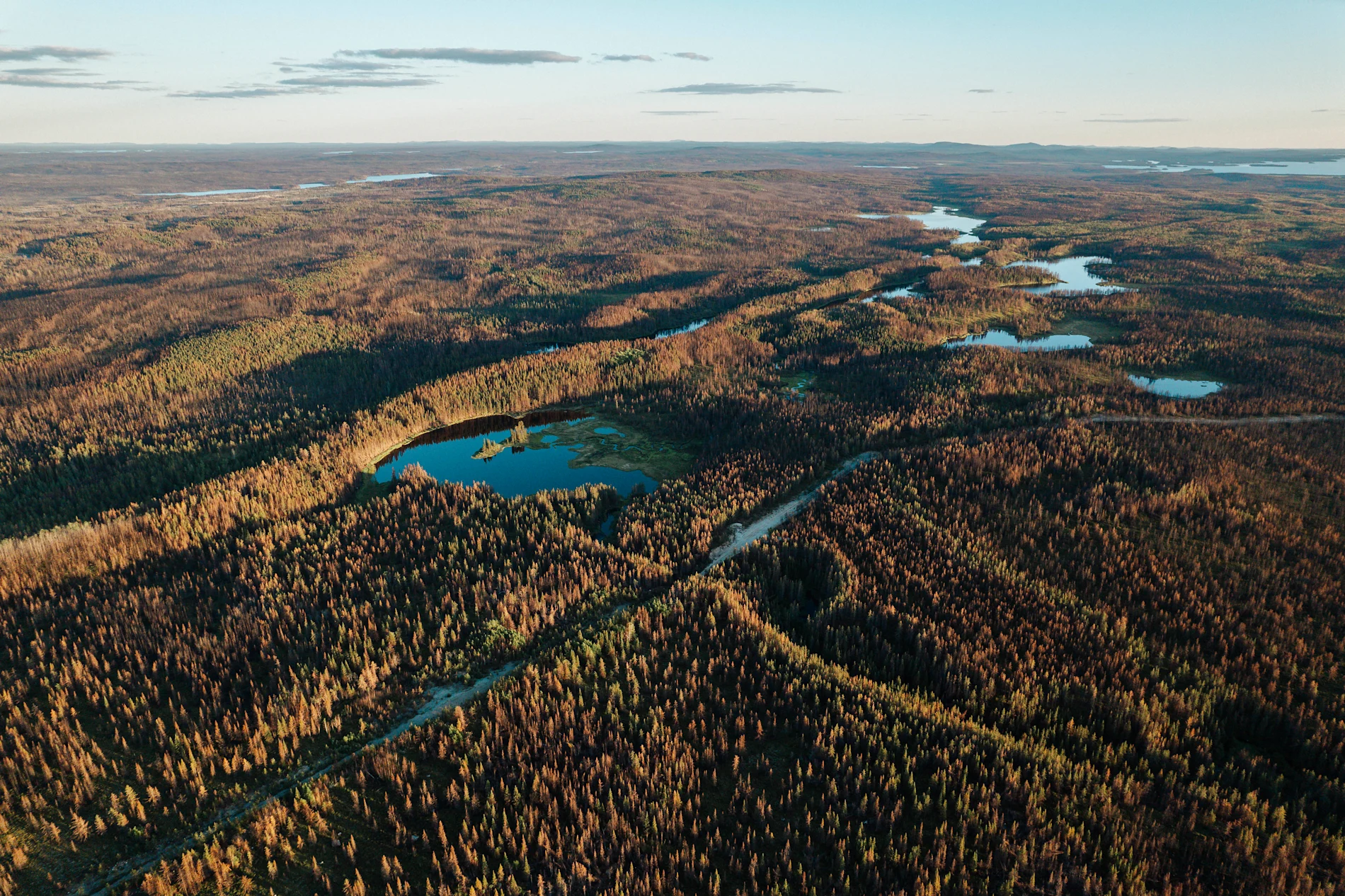
What’s special about boreal forests is that they store most of their carbon below ground in their vast peatlands, deep organic soils, and permafrost. Thanks to slow decomposition rates, these ecosystems lock away immense amounts of carbon over millennia, preventing it from escaping into the atmosphere.
In this way, boreal forests act as a global thermostat, influencing climate stability. Their characteristic dark tree cover reduces Earth's reflectivity (albedo effect), helping regulate temperatures in northern latitudes. And with their influence over atmospheric circulation, they impact weather patterns across the Northern Hemisphere.
The boreal as a critical ecosystem
Boreal forests are home to an incredible diversity of wildlife, birds, and plant species. This ecosystem supports iconic species like the woodland caribou, Canada lynx, grizzly bear, and billions of migratory birds that come for breeding and nesting.
As a global biodiversity corridor, the boreal connects ecosystems across North America. More than
300 bird species
, including the blackpoll warbler and the boreal chickadee, depend on this forest for nesting before migrating to South America.Canada’s boreal also offers refuge for at-risk species like the woodland caribou. This is critical, as due to an increase in fire disturbance and continued industrial activity, 72% of Canada’s caribou herds are
no longer classified as self-sustaining
.Beyond providing a home to wildlife, the boreal supports freshwater ecosystems, filtering the largest surface area of freshwater on the planet. Its wetlands and peatlands are natural water purifiers, absorbing pollutants and regulating water flow into rivers and lakes.
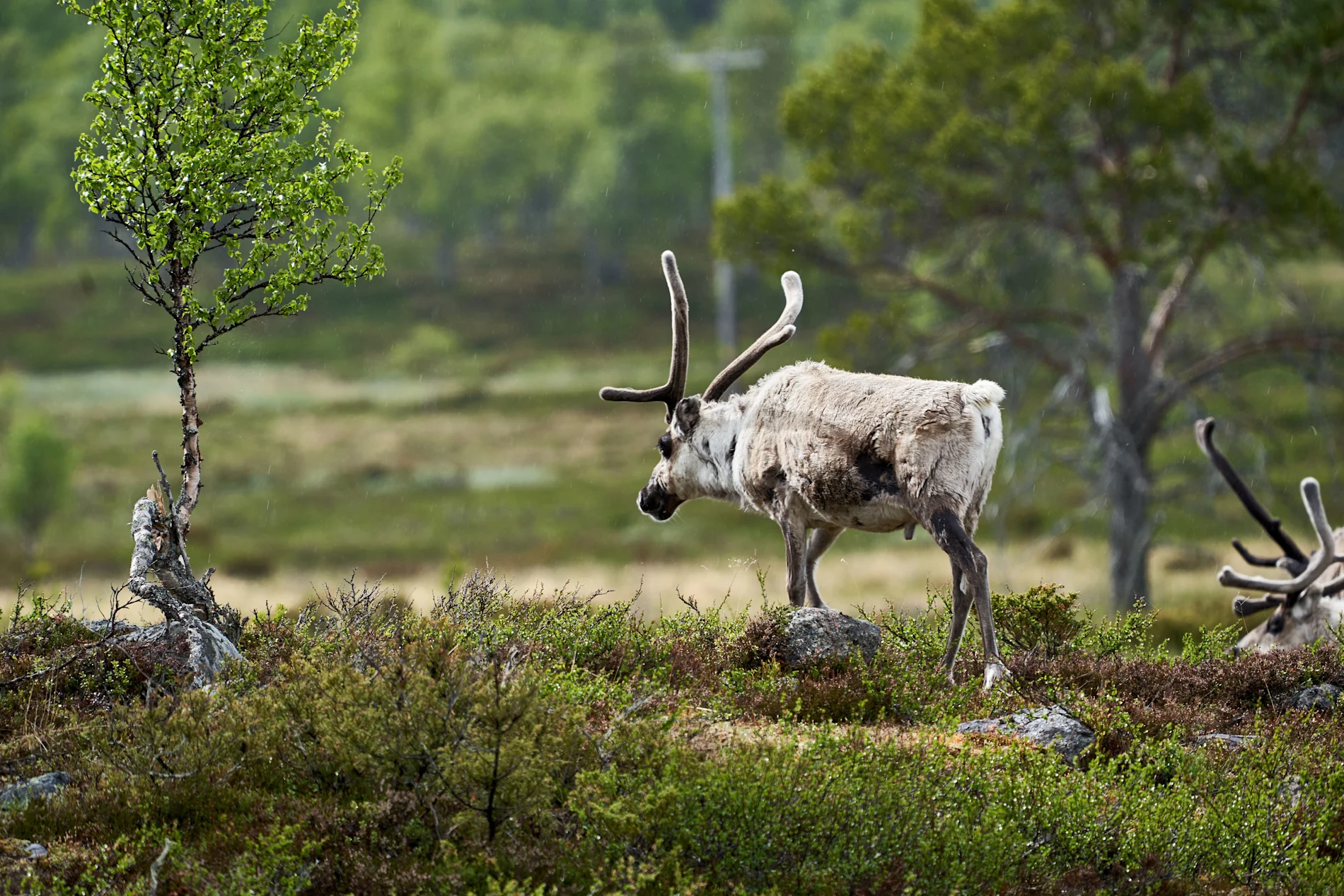
Image credit: Photo by Robert Pügner:
https://www.pexels.com/photo/reindeer-walking-on-a-field-12657372/
Unique to Canada: economy, indigenous communities, and cultural heritage
Canada’s boreal forest is an asset for the nation's economy, culture, and identity. Covering millions of hectares, it provides timber, pulp, and minerals, driving local economies and supporting thousands of jobs, particularly in remote areas.
It also offers unique tourism and recreational opportunities such as guided wildlife tours, cultural visits, and backcountry expeditions. When these are led by Indigenous communities, it brings an unparalleled level of authenticity, while including those who know the land best.
In fact, over 600 Indigenous communities
rely on the boreal
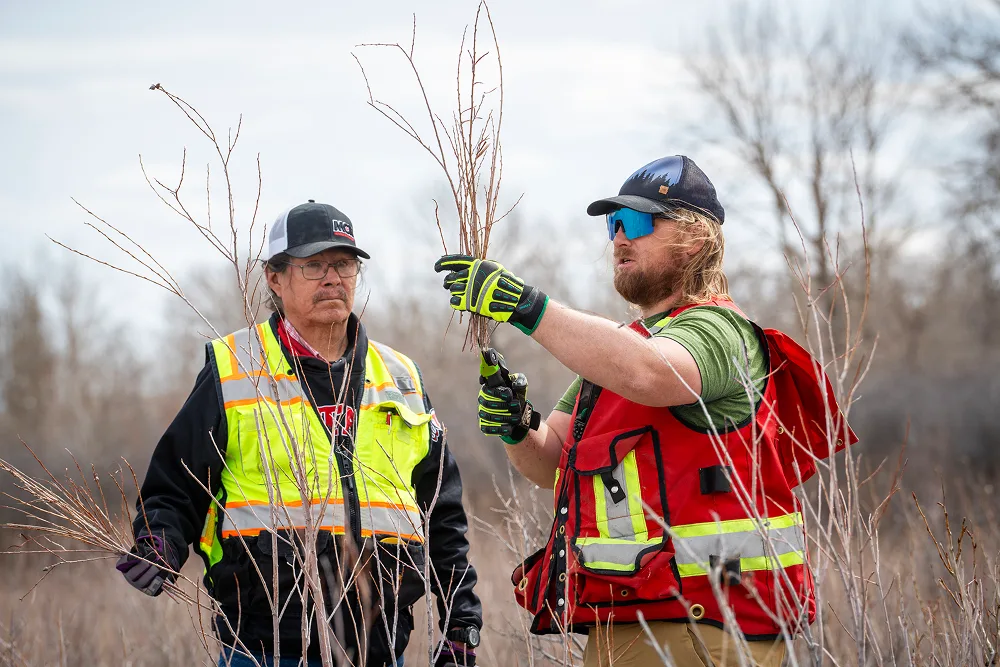
for their food, medicines, shelter, and cultural traditions. Through this millennia-old relationship, deep ecological wisdom has been passed down, guiding sustainable land management.Economically, ecologically, and culturally, the boreal is irreplaceable. Today, businesses and governments are recognizing the importance of partnering with Indigenous communities toward stronger conservation outcomes and more resilient economies.
Are boreal forests in danger?
For all their resilience, boreal forests—like all ecosystems—have a breaking point.
The warming climate is accelerating natural disturbances, pushing wildfire patterns beyond historical norms. Meanwhile, industries that rely on boreal resources are contributing to large-scale landscape changes that take decades from which to recover.
The threats are nuanced and complex, but understanding how wildfires, deforestation, and land use pressures are changing this landscape is the first step toward protecting it.
Wildfires: Rising risks in a warming climate
Historically, boreal forests evolved with fire. Natural burn cycles—occurring every 60 to 150 years—clear old-growth forest floors, making way for new seedlings and diverse ecosystems.
Deciduous species like birch and aspen establish quickly post-fire, offering habitat for moose, birds, and small mammals. Over decades, conifers reclaim the landscape, restoring the boreal’s carbon storage and biodiversity.
However, the warming climate is changing this cycle. Higher temperatures and longer fire seasons are
increasing burn frequency
, meaning some areas are igniting before they’ve had time to regenerate.More frequent fires disrupt the natural succession from deciduous back to coniferous species, slowing boreal recovery and reducing its long-term carbon storage potential.
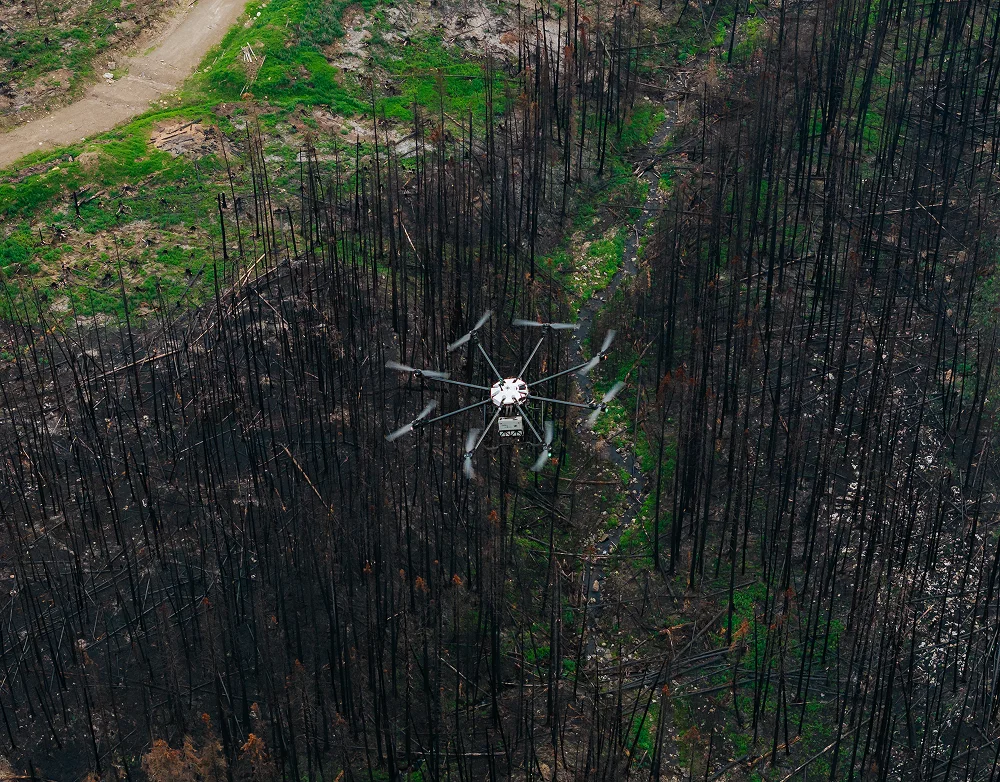
At the same time, deeper burns thaw permafrost and release soil carbon, which could turn the boreal from a carbon sink into a carbon source.
With fires now consuming millions of hectares annually, there’s a real concern that the boreal’s ecosystem balance is at risk.
Deforestation: Corporate supply chains and land use
Boreal forests supply essential resources for industries around the world. Canada is a top global exporter of timber and pulp, supporting construction, packaging, and paper production.
This economic dependence on the forest has led to the boreal’s deforestation, which is largely driven by clear-cutting. Clear-cutting removes large tracts of trees in one go, disrupting ecosystems and slowing regeneration.
While deforestation in Canada has actually decreased from
64,000 hectares in 1990
to 51,000 in 2021, activity is more prevalent in some areas than others. More than 35 million acres of boreal forest have been logged in Ontario and Quebec alone since 1976.And growing research suggests continued cause for concern. Logging emissions may have been underestimated, with more accurate figures showing around 91 megatonnes of CO₂ released per year.
“The boreal is such a vast continuous patch of vegetation, right across the continent. The more that gets fragmented, the more we lose the forest as a single organism to help with the climate.”– Brant Broome, Head Forester at TELUS
What Canadian companies can do
Companies are facing increasing scrutiny over supply chain sustainability, and many are now looking for ways to take meaningful climate action.
Reducing emissions at the source is the gold standard, but investing in boreal reforestation can be an impactful piece of the environmental, social, and governance (ESG) puzzle.
Investing in nature-based solutions like reforestation offers a practical, high-impact opportunity for businesses to uphold environmental commitments and contribute to genuine action.
Investing in Canadian reforestation as a sustainability strategy
Reforestation provides a tangible, measurable, and relatively quick way for businesses to compensate for their environmental impact.
It is a long-term strategy, with newly planted trees needing to mature to reach their full carbon storage potential. However, even in the early stages, young forests still begin sequestering carbon, supporting biodiversity, stabilizing soils, and improving water retention.
The impact of reforestation projects is far more powerful than previously thought. New research shows that well-planned reforestation projects offer up to 10 times more low-cost carbon removal potential than previously thought.
Reforestation is also one of the most scalable climate solutions. Unlike infrastructure-heavy decarbonization efforts—like transitioning to renewable energy or electrifying supply chains—tree planting projects can be implemented at varying levels of investment.
Companies can start small and scale their commitments over time, as corporate sustainability goals evolve. While reforestation can’t replace deep carbon reductions, reforestation offers trackable benefits that align with sustainability-driven strategies.
"The main driver of change is that environmental awareness is increasing. The impact of planting trees is increasing and the industry is shifting to become more sustainable."– Ron Laverdiere, Director of Operations at TELUS
What high-quality reforestation looks like
Reforestation has huge potential for companies to make a meaningful environmental impact while meeting ESG commitments. Its success depends on scientific planning, ecological integrity, and long-term monitoring.
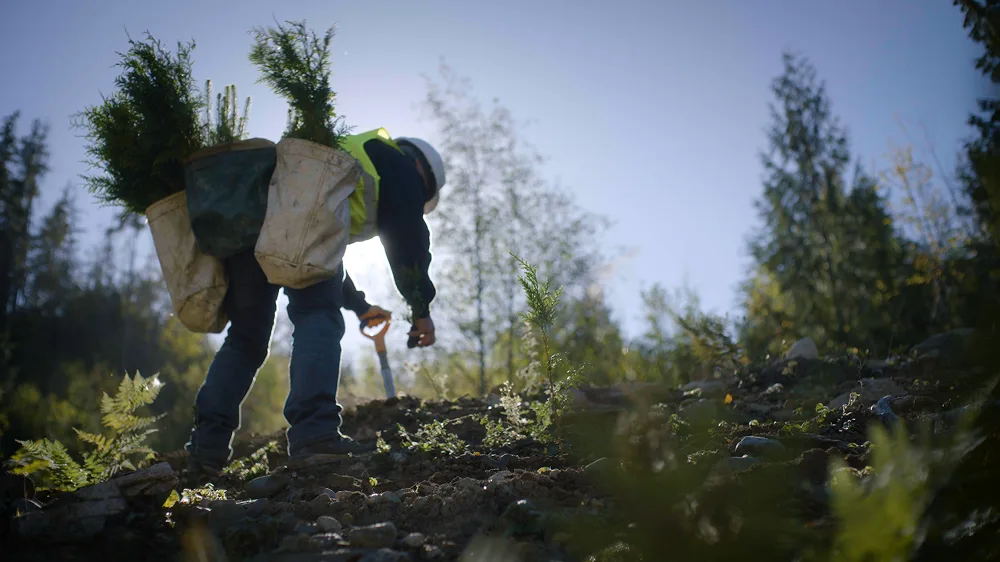
It starts with the right species in the right place. A variety of native tree species—as opposed to a monoculture plantation—is key to restoring ecosystem function, supporting local biodiversity, and ensuring long-term forest resilience.
After planting, the trees need ongoing care and monitoring. Newly planted forests face threats from pests, drought, and extreme weather, and survival rates can vary. This is why quality projects track growth, measure carbon sequestration, and adapt management over time.
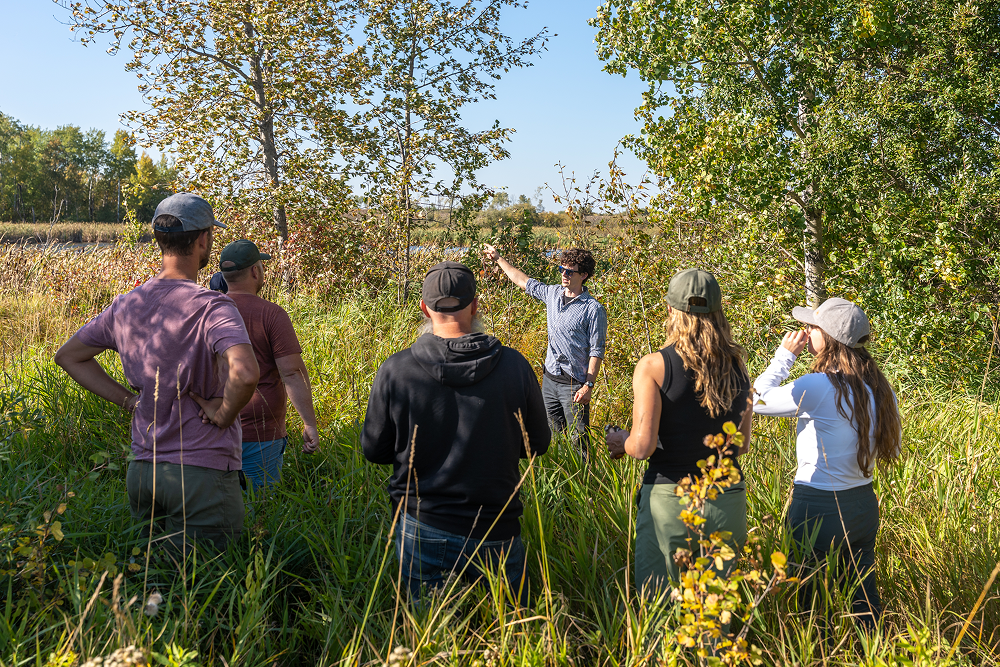
From the outset, community involvement is key. It’s the help of those who know the land best that will determine the success of any reforestation project.
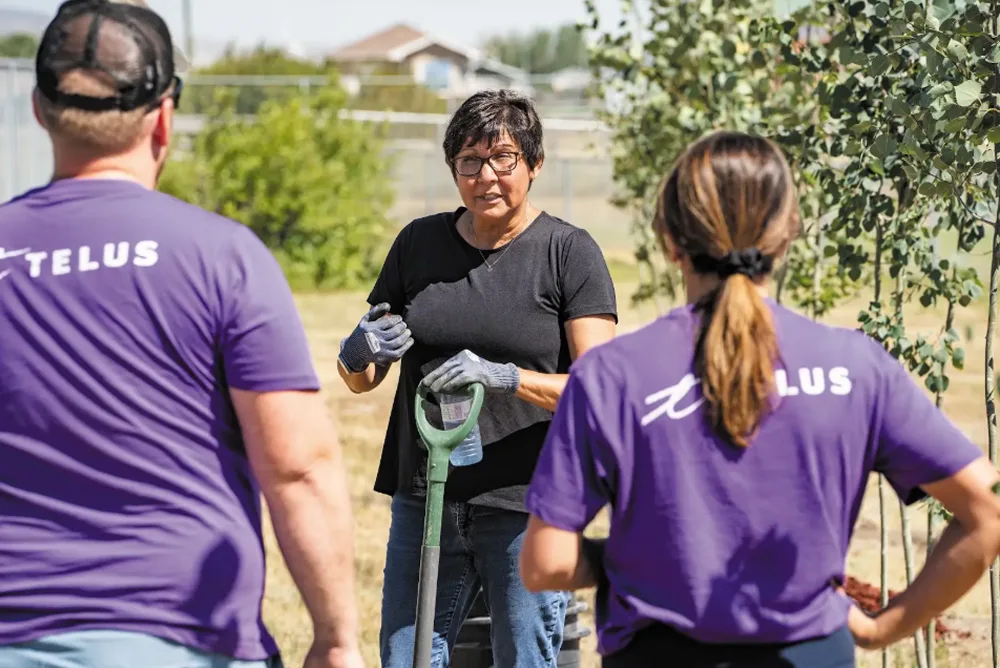
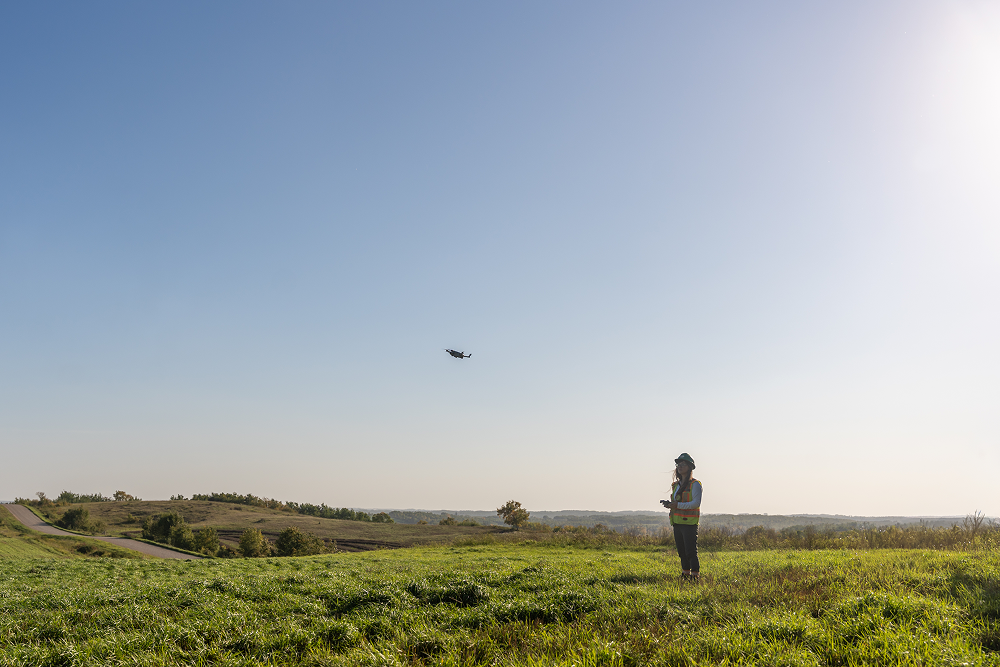
The most impactful projects use advanced monitoring tools—including satellite imagery, drones, and careful analysis—to assess growth and refine their approach.
This level of transparency improves ecological outcomes and provides evidence of impact. Businesses can share this evidence with customers and stakeholders to demonstrate genuine sustainability commitments.
This level of transparency improves ecological outcomes and provides evidence of impact. Businesses can share this evidence with customers and stakeholders to demonstrate genuine sustainability commitments.
TELUS Environmental Solutions: A partner in reforestation
TELUS Environmental Solutions helps businesses invest in science-backed reforestation that restores boreal habitats while supporting corporate sustainability goals.
Measurable, science-driven impact
TELUS focuses on ecosystem restoration, not just tree planting. Our projects use native species to rebuild biodiversity and maximize carbon sequestration.
Satellite monitoring and data tracking ensure long-term success, providing businesses with verifiable ESG impact that can be shared with stakeholders.
Collaboration with Indigenous and local communities
We work alongside Indigenous leaders, conservationists, and sustainability experts to ensure reforestation efforts are ecologically and culturally responsible.
By integrating local knowledge, TELUS supports long-term land stewardship and community resilience.
A scalable climate solution for businesses
TELUS offers flexible reforestation initiatives, allowing companies to start small or expand their commitments over time. Our projects provide a practical, measurable way to take climate action, strengthen ESG reporting, and reinforce sustainability commitments.
A scalable climate solution for businesses
TELUS offers flexible reforestation initiatives, allowing companies to start small or expand their commitments over time. Our projects provide a practical, measurable way to take climate action, strengthen ESG reporting, and reinforce sustainability commitments.
Boreal reforestation: The key to real impact
Boreal forests are one of the most powerful natural tools we have for mitigating and adapting to a warming climate. However, with increasing wildfires and large-scale industrial activities, these forests are under immense pressure.
Protecting and restoring boreal forests presents an opportunity for businesses to take the lead on sustainability. Reforestation is measurable, scalable, and directly contributes to carbon sequestration, biodiversity, and ecosystem recovery.
By investing in science-backed reforestation, businesses can reduce their environmental impact, strengthen ESG commitments, and build trust with customers and stakeholders.
The companies that act today are the ones that will shape a more sustainable future.

Sources
Birds Canada. (2024). Birds in the line of fire: How boreal birds respond to forest fires. Retrieved April 24, 2025, from
https://www.birdscanada.org/birds-in-the-line-of-fire-how-boreal-birds-respond-to-forest-fires
Boreal Conservation. (n.d.). Indigenous communities. Retrieved March 19, 2025, from
https://www.borealconservation.org/forest-indigenous-communities
Boreal Science. (n.d.). Threats to the boreal. Retrieved March 19, 2025, from
https://www.borealscience.org/boreal/threats/
Conservation International. (2024). New research: Reforestation is more cost-effective than previously understood; study compares reforestation methods. Retrieved March 19, 2025, from
https://www.conservation.org/press-releases/2024/07/24/new-research-reforestation-is-more-cost-effective-than-previously-understood-study-compares-reforestation-methods
Ducks Unlimited Canada. (n.d.). Boreal quick facts. Retrieved March 19, 2025, from
https://boreal.ducks.ca/canadas-boreal/boreal-quick-facts/
Forest Declaration Assessment. (2024). 2024 Forests Under Fire. Retrieved March 19, 2025, from
https://forestdeclaration.org/wp-content/uploads/2024/10/2024ForestDeclarationAssessment.pdf
International Boreal Forest Research Association (IBFRA). (n.d.). About boreal forests. Retrieved March 19, 2025, from
https://www.ibfra.org/about-boreal-forests
National Park Service. (n.d.). Fire in ecosystems: Boreal forest. Retrieved March 19, 2025, from
https://www.nps.gov/articles/000/fire-in-ecosystems-boreal-forest.htm
Natural Resources Canada. (n.d.). A glimpse into the future of the boreal forest: Less frequent but more aggressive fires. Retrieved March 19, 2025, from
https://natural-resources.canada.ca/stories/simply-science/glimpse-future-boreal-forest-less-frequent-more-aggressive-fires
Natural Resources Canada. (n.d.). Boreal forest. Retrieved March 19, 2025, from
https://natural-resources.canada.ca/forest-forestry/sustainable-forest-management/boreal-forest
Natural Resources Canada. (2023). The state of Canada’s forests: Annual report 2023. Retrieved March 19, 2025, from
https://natural-resources.canada.ca/sites/nrcan/files/forest/sof2023/NRCAN_SofForest_Annual_2023_EN_accessible-vf.pdf
Natural Resources Canada. (n.d.). Wood pellets. Retrieved March 19, 2025, from
https://natural-resources.canada.ca/energy-efficiency/wood-pellets
Natural Resources Defense Council. (2017). Canada’s boreal clearcutting is a climate threat. NRDC. Retrieved March 19, 2025, from
https://www.nrdc.org/bio/josh-axelrod/canadas-boreal-clearcutting-climate-threat
Natural Resources Defense Council. (2022). Canada’s boreal forest: Why it’s so important. Retrieved March 19, 2025, from
https://www.nrdc.org/stories/canadas-boreal-forest-why-its-important
Natural Resources Defense Council. (2024). Studies expose reality of logging-driven forest degradation in Canada. NRDC. Retrieved March 19, 2025, from
https://www.nrdc.org/bio/jennifer-skene/studies-expose-reality-canadas-forest-degradation
Nature Canada. (2012). Indigenous peoples of the boreal forest: Connected to the land, birds and water. Retrieved March 19, 2025, from
https://naturecanada.ca/news/indigenous-peoples-of-the-boreal-forest-connected-to-the-land-birds-and-water/
Pew Charitable Trusts. (2009). Boreal forests store more carbon than tropical forests. Retrieved April 24, 2025, from
https://www.pewtrusts.org/en/about/news-room/press-releases-and-statements/2009/11/12/boreal-forests-store-more-carbon-than-tropical-forestshttps://www.pewtrusts.org/en/about/news-room/press-releases-and-statements/2009/11/12/boreal-forests-store-more-carbon-than-tropical-forests
Phys.org. (2023, October). New study shows surprising effects of fire in North America's boreal forests. Retrieved March 19, 2025, from
https://phys.org/news/2023-10-effects-north-america-boreal-forests.html
Price, D. T., & Williamson, T. B. (2013). Climate change vulnerability and adaptation in the managed Canadian boreal forest. Environmental Reviews, 22(3), 256–285.
https://cdnsciencepub.com/doi/pdf/10.1139/er-2013-0064
Scientific American. (2023). Record-breaking boreal fires may be a climate ‘time bomb’. Retrieved March 19, 2025, from
https://www.scientificamerican.com/article/record-breaking-boreal-fires-may-be-a-climate-time-bomb/