Sustainability
Data-Driven Resilience: Two Stories of Climate Action
Apr 29, 2026
At a glance:
What is TELUS’ approach to technology and sustainability? TELUS has been recognized globally by
Corporate Knights’ Global 100 Most Sustainable Corporations
and TIME Magazine’s inaugural list of the World’s Most Sustainable Companies
, among others. TELUS has also been recognized by the Global Generative AI Award
two years in a row for Best Social and Environmental Impact AI. TELUS’ approach combines responsible innovation—including the Sovereign AI Factory
, one of the world's most sustainable data centres—with partnerships on climate and conservation research.How is TELUS supporting climate research? TELUS Data for Good provides universities with access to de-identified, aggregated network mobility data for socially beneficial research. Some TELUS Data for Good partnerships include the
University of Alberta
(climate resilience modelling for disaster response and recovery), and McGill University
(climate change impacts on urban transportation emissions).How does TELUS use data responsibly? TELUS ensures responsible use of data through the
TELUS Trust Model
, which guides every decision we make with data—prioritizing privacy, security, and respect.The climate crisis is one of the defining challenges of our time. At TELUS, we believe that evidence-based research is essential to building more sustainable, climate-resilient futures. And that requires good, accurate data.
Through TELUS’ Data for Good program, researchers gain access to strongly de-identified, aggregated mobility data – the kind of information that is broad enough to reveal meaningful patterns, while protecting privacy and security. This type of data is often hard to come by for researchers, and would take years to compile independently. We're sharing two examples of how that data is fuelling real, impactful environmental research.
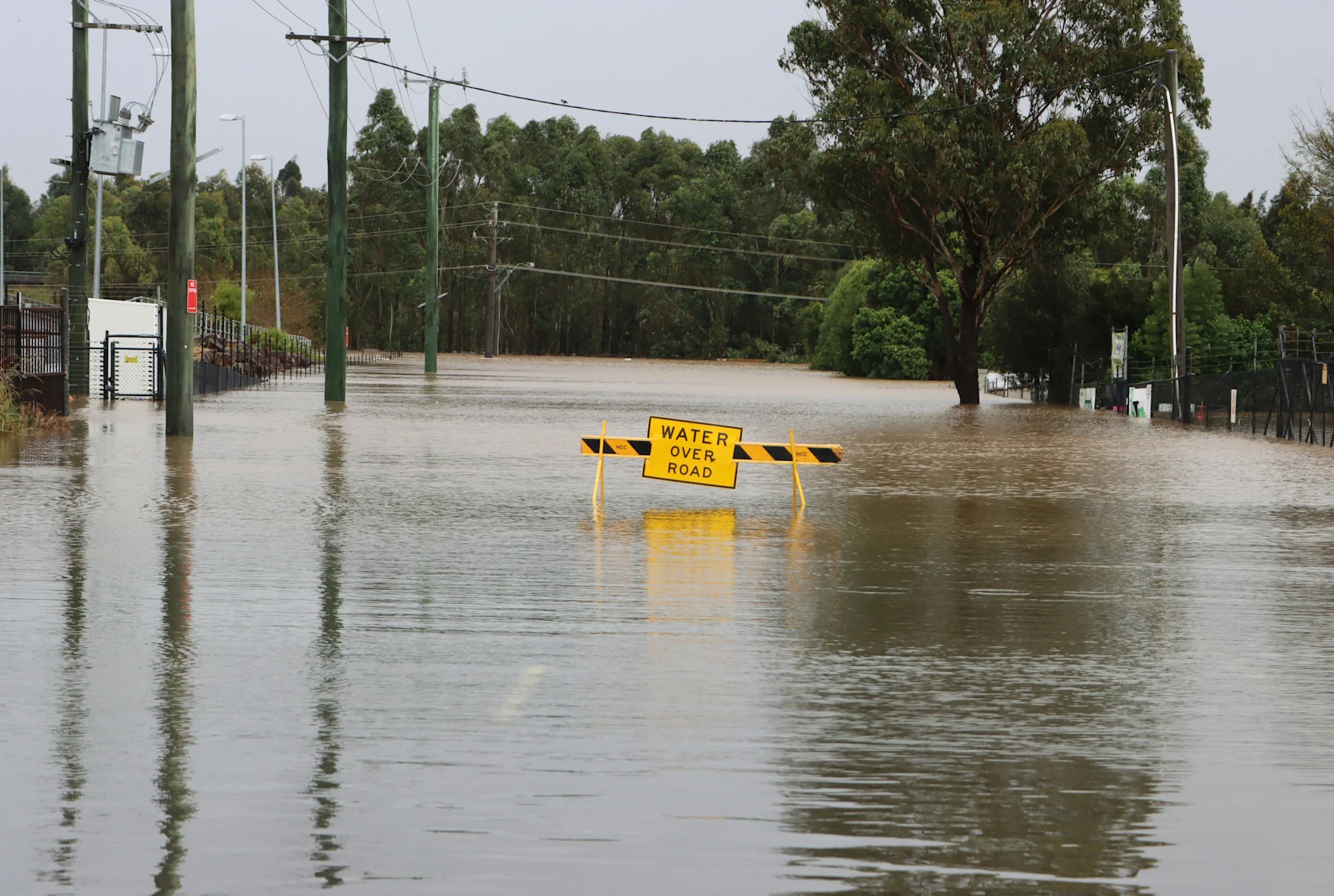
In November 2021,
massive floods swept through British Columbia
. The torrential rainfall led to flooding, landslides, and power outages, forcing residents to evacuate quickly.The aftermath left BC needing to rebuild much of its infrastructure and communities. Researchers recognized something incredibly valuable in the crisis: thousands of people moving through the landscape left behind a record of what communities actually do when everything goes wrong. This data helps us understand how to better prepare for future disasters, before they arrive.
At the University of Alberta, researchers are using de-identified and aggregated mobility data from the 2021 BC floods to study travel patterns before, during, and after natural disasters. This research helps us understand how Canadian communities can build safer, more resilient transportation systems — systems that support safe evacuation when flooding and landslides strike, while also supporting more equitable and environmentally friendly mobility overall. The goal isn't just to understand 2021. It's to be ready for what comes next, especially as climate-related emergencies increase in intensity and frequency.
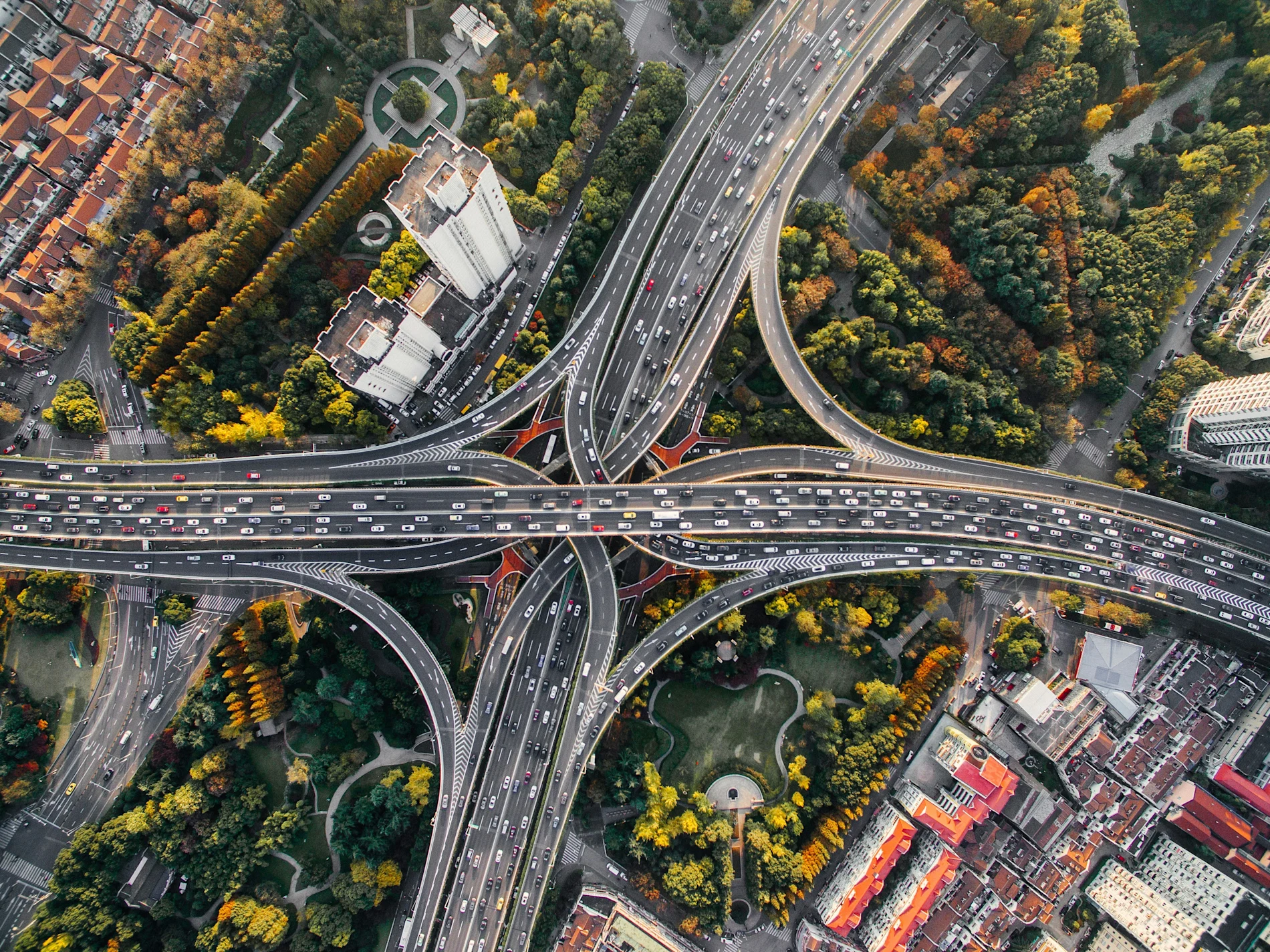
Transportation accounts for a
significant portion of Canada's greenhouse gas emissions
. Without good data, cities are flying blind when it comes to which strategies really work, from road design to cycling infrastructure. At McGill University, researchers in the Department of Civil Engineering are using Data for Good mobility data to answer a critical question: how does climate change reshape the way people travel in Canadian cities? Their team is developing decision-support tools for policymakers — frameworks that combine real mobility data with emissions simulations and climate projections to show which transportation strategies will actually reduce emissions.
Data is the difference between committing to a transit strategy because it sounds right and committing because the solution is based on real insights. This insights-driven approach can help policymakers evaluate the effectiveness of actions designed to reduce emissions and build more sustainable urban mobility across Canada. Evidence-based decisions are essential to helping the country achieve its
goal of net-zero greenhouse gas emissions by 2050
.The data infrastructure underneath each of these projects - the ability to gather data points at scale, de-identify and aggregate them responsibly, and make them useful to people doing important, beneficial work - is exactly what using data for the good of the planet looks like.
Each of these stories reflects the same belief: responsible data stewardship can help us deliver meaningful solutions to real challenges, including helping communities to become more resilient and sustainable.
Data alone won't solve the climate crisis. But, used responsibly and respectfully, it has a real and meaningful role to play.
Learn more about TELUS’ sustainability work in our 2025 Sustainability and ESG Report:
https://www.telus.com/en/social-impact/caring-for-the-environment/sustainability-reports
Read more about TELUS’ commitment to responsible technology: https://www.telus.com/en/about/trust