
Why do we keep playing when we feel unsafe? A teen's perspective

Nitura Uthayaraj
Student - Youth Advisory Squad Alum at OneChild
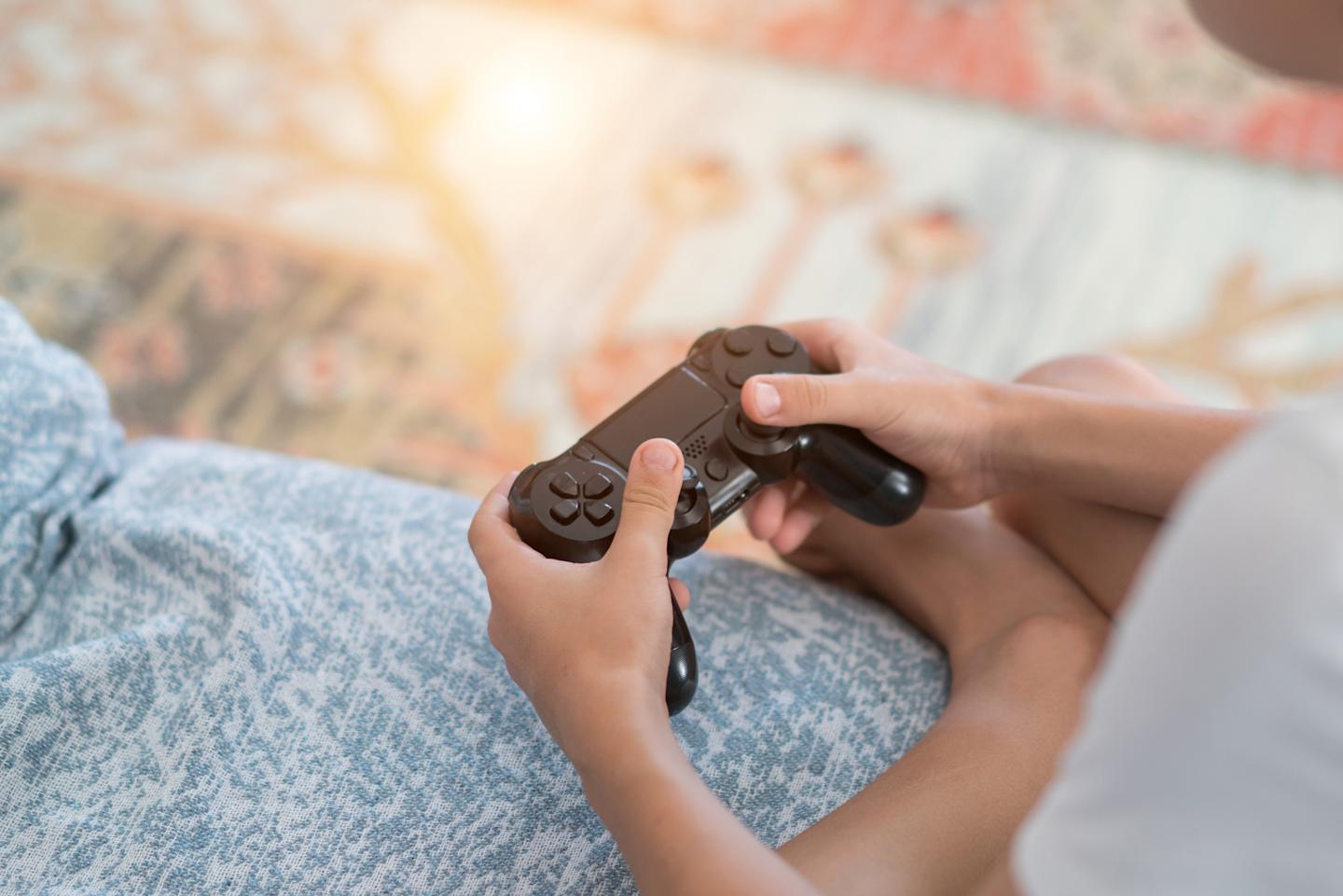
Picture this: You come home from a long day–exhausted, drained, and craving an escape. You open Roblox, ready for your favourite game, when a friend request pops up from someone you’ve been chatting with. Time flies. You play together, share secrets, and trust grows…until one message changes everything: Send me a picture. It’s a moment that should make us log off for good–so why don’t we? The answer is more complicated than adults think.
Why we play games
With nearly 80% of kids playing video games monthly (March 2024 data), online gaming has become our primary space. During the pandemic, millions of children and teens turned to online gaming to keep talking with their friends. I remember nights where the bright monitor was the only thing that connected me with my friends and the rest of the world. In a world where online gaming is the gateway to escaping reality, avoiding FOMO, and finding community, it’s far more than “entertainment” or “distraction.”
When we don’t realize
At first, I thought I was making a new friend–until they started asking for pictures. It starts with a request from a fake profile, disguised to lure teens and children like me. Then, come the compliments. Dozens of them. The gifts, the affection, the special treatment–it all feels like a fantasy. To me, it felt like kindness. But in reality, it was love bombing–a calculated tool predators use to win trust before crossing the line.
Love bombing is a form of emotional manipulation often used in online gaming spaces to gain a minor’s trust. It’s built on overwhelming attention, affection, and gifts early in the relationship, aimed at creating dependency and control. How do they get you?:
- We think it only happens to “other kids”
- We mistake manipulation for genuine care
- Sometimes, this is the most attention we’ve ever felt
- We feel “special” and don’t want to lose that connection
- We believe the relationship is private and harmless, because this attention makes us feel safe
- We ignore the “small” red flags to avoid tainting the good moments
With its flattering and seemingly innocent nature, love bombing is hard to detect by any adult, let alone kids like me, just looking to make friends online.
Fear of losing it all
“If I report them, what if I lose my team–or my parents decide to blame me and take away the game altogether? ”That’s the kind of fear that can run through many kids' and teens’ minds even after realizing the danger.
Why we stay silent
“Just turn it off.” It’s never as simple as that. For us, turning off a game isn’t just losing entertainment–it’s losing a safe space, friendships, and the worlds we’ve built. Hours of creativity, our earned progress, and shared memories, that can disappear once we log off.
To many adults, online games are just that–a game. But for us, kids growing up in this digital age, it’s a lifeline: entertainment, escapism, creativity, and connection. So when something as unfamiliar–and unnerving–as online grooming happens inside that world, we cling to the hope that it’s a one-off instance. Because admitting otherwise means risking the loss of the one place we still feel secure.
We’re afraid you will take it away
“It’s because of that phone.” Sound familiar?
According to researchers of AngelQ, a kid-friendly internet browser, “Parents spend approximately 96 hours fighting with their kids over screen time every year.”
As a teen, I can solemnly say this conversation has taken more priority in my house over discussing the root issues of the online gaming world–online grooming, exploitation and harm. When phones are put at the forefront rather than the actual dangers, it’s harder to establish regular conversations with parents about online safety. Here’s what I think teens and children can agree on:
- We’re fearful you’ll pull the plug
- We’re worried you won’t love us the same as before
- We want to have open conversations when these situations arise without blame
- We want unconditional support and understanding when we face these dangers
- We want reassurance and next steps when we face online harm in the gaming sphere
We don’t want you to pull the plug on our safe space; we want you to help us navigate it.
Instead of pulling the plug
If disconnecting the game doesn’t work, then what should you do as a parent? It’s important to find ways to comfort your child rather than confront them when discussing online harm in the gaming world. Here are some strategies you can use as a parent/guardian looking out for your kid(s):
- Foster a safe environment: encourage your kid to share their thoughts and feelings without fear of judgment. Just being more receptive and understanding of their concerns can help establish a safe space.
- Have an open conversation: choose to have an OPEN conversation about these topics instead of a lecture about stranger danger. Use open-ended questions to help your kid express their thoughts and feelings more. Establish boundaries and expectations you and your child may have for this conversation. Actively listen to what your teen has to say, validate their feelings, and be curious and willing to learn. Try these conversation starters:
- Instead of "Who are you talking to?" try "Tell me about your gaming friends."
- Replace "That's dangerous" with "Help me understand what happened.”
- Teach them safety tools: Tell them not to be afraid to block, ban, and report. Acknowledging the tools that are there to help and teaching them when to use them can help protect them from unwanted friend requests, harassment, etc.
What helped me stay safer
As a teen who’s been online for the majority of her life, here’s what helped me stay safer online without losing my digital space:
- Limit who you follow: whenever I get a new follow request, I ask myself a few questions:
- Do I know this person in real life?
- Does this person know the friends I have?
- Does this look like a real account with real information?
- Keeping personal information private: making sure I never give away my name, age, residency and other personal details. Limit online conversations with strangers about the game at hand.
- Have someone to talk to: if I’m ever unsure if a conversation feels safe or if someone’s actions are right, I confide in an unbiased adult or a friend I can approach. Sometimes, only an outside perspective can spot the red flags.
Conclusion
Sexual exploitation of children can happen anywhere including in the games your kids love most. But here's what I've learned: we teens want to be safe just as much as you want us to be. The difference is, we need you to trust us enough to teach us how, rather than just taking our digital world away. Instead of eliminating screentime entirely, let's foster connection and safety by creating a space for open conversation. Teach us to recognize red flags and believe that we also want to be safe. The fight against online exploitation in games shouldn’t be parents vs. kids, or a struggle over screen time – we need to collaborate to confront those who hide behind screens and exploit us.
Want to join the fight? Stay updated about these issues, educate and listen to youth, and join OneChild in our fight to end the sexual exploitation of children in all spaces.