Health
Beyond one-size-fits-all: Why tailored mental health care is the only path forward
Jun 8, 2026
Imagine you are 16 and newly arrived in Canada. You are struggling to keep your head above water, but every resource you’re handed is in a language you’re still learning. Or you are 18, aging out of the foster care system and carrying years of trauma into a world that suddenly expects you to navigate adulthood alone.
These aren't hypothetical scenarios; they are the lived realities for hundreds of thousands of young Canadians. For youth, the path to mental wellness is rarely a straight line. It is a journey deeply shaped by where they live, the language they speak, and the life experiences they carry.
The widening care gap
The statistics in Canada reveal a stark truth: we are facing a widening care gap.
One in five youth
who reported "good" mental health in 2019 saw a significant decline by 2023. For those in high-priority demographics, such as youth in the child welfare system, mental health challenges appear at four times the rate of the general population
.We’ve heard consistently from our charity partners that generalised mental health support often stops at the surface. To bridge this gap, we must move beyond one-size-fits-all models. Through our Canadian Community Boards, our Foundation is committed to championing specialised, community-led programs that prioritise a young person's identity, culture and specific history.
Closing this widening care gap requires targeted action and this is why we are deeply committed to championing youth mental health by backing innovative, evidence-based programs nationwide. Through our Canadian Community Boards, we are intentional with how we direct funding toward specialised care models that honour a young person’s unique identity and lived experience. This strategic approach ensures that vital resources reach high-priority and under-served demographics across the country, in a way that is meaningful and relevant.
Specialised support in action
Here is how some of our charity partners put their tailored mental health approaches into action:
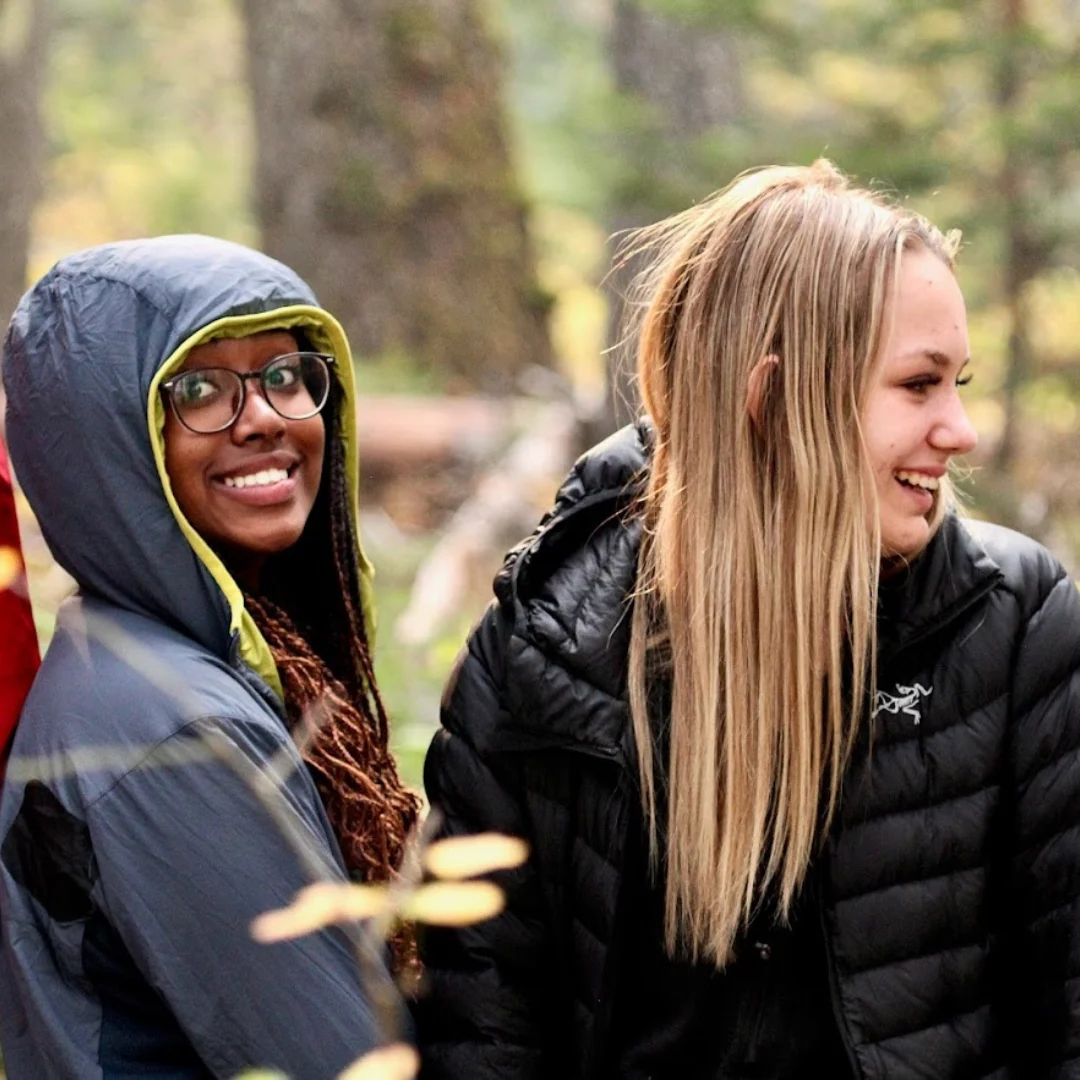
Take a Hike Foundation: How the outdoors is opening doors to breakthroughs in the Interior, British Columbia
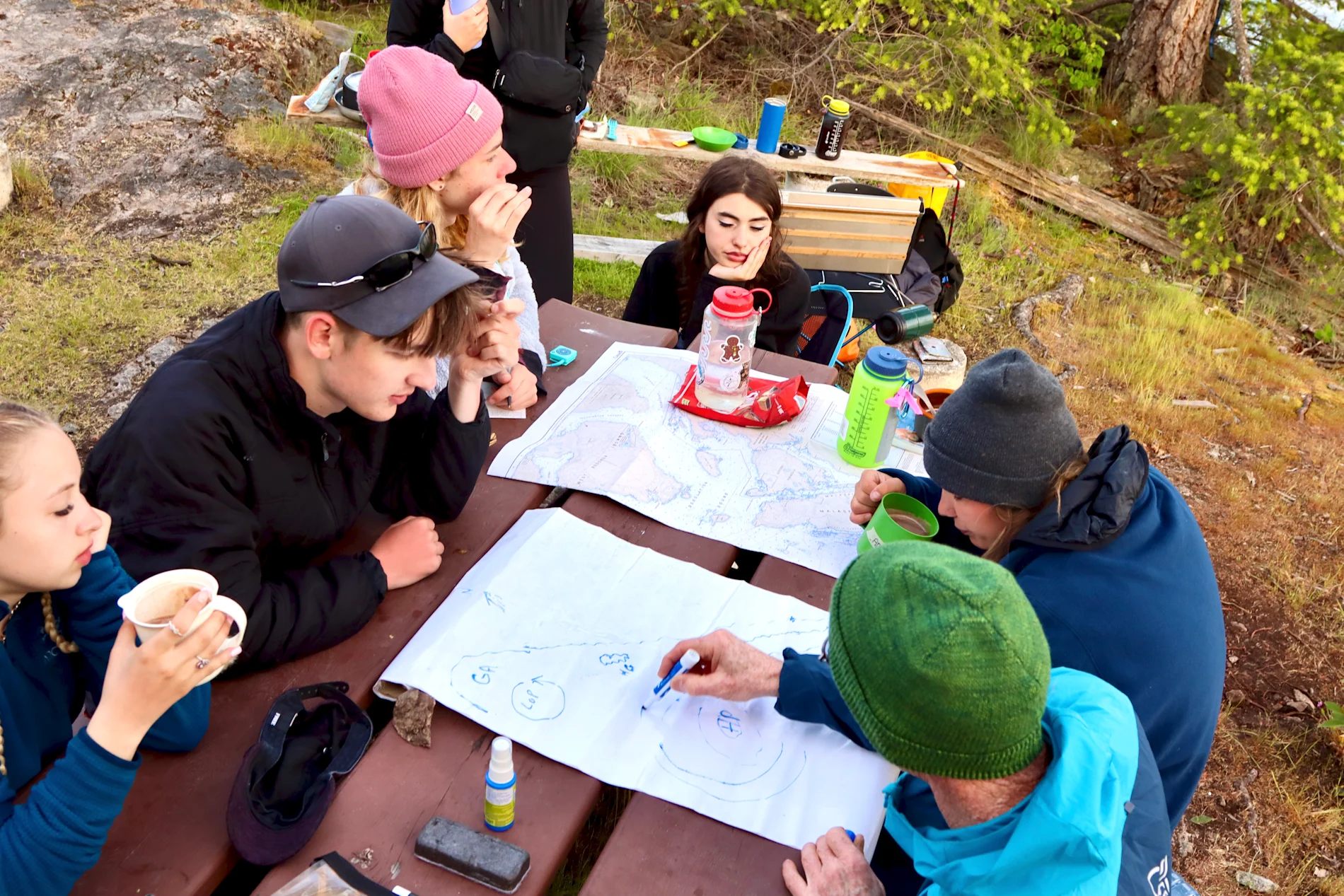
"Together, we support vulnerable youth through land-based learning, clinical counselling, and community engagement, helping them build resilience, develop life skills, and achieve success however they define it."
That philosophy described by
Take a Hike Foundation
’s CEO, Gordon Matchett, is embedded into every part of how the organization operates. Instead of waiting for young people to seek clinical care, they proactively embed support directly within the curricula via school district partnerships, with land-based learning integrated throughout. For young people who have never felt at ease in a clinical setting, the outdoors becomes the room where breakthroughs happen.Together We Can: Re-writing the recovery journey in Vancouver
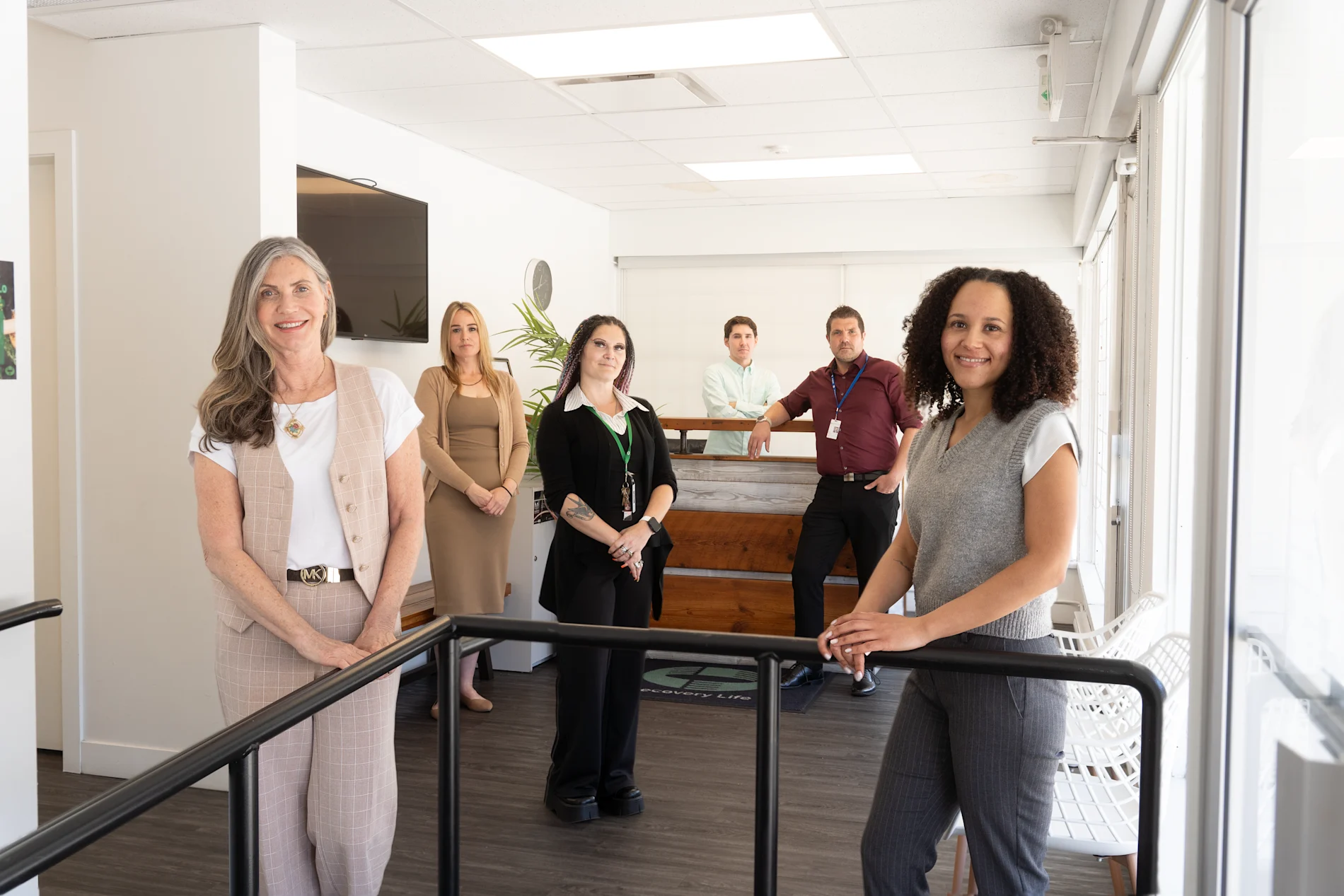
Mental health and substance use are often treated as separate issues, leading to fragmented care, repeated referrals, and young people falling through the cracks.
Together We Can
's Vital Path Addiction Clinic
was built on a different belief that for many young people, the two are not separate at all. Their high-precision medical model brings doctors, mental health clinicians, and addiction specialists together under one roof, treating youth with coordinated, trauma-informed care. As Executive Director Stacy Wilson explains:"Many youth use substances to cope with anxiety, depression or trauma. While substance use itself can intensify mental health symptoms and interfere with healthy development, it often becomes a vicious cycle. If substance use and mental health aren't treated as interconnected, this can lead to fragmented care and disengagement from services. Our integrated approach allows doctors to understand the full context of a young person's experience, address the underlying causes of distress, and provide coordinated support that improves long-term health and recovery outcomes."
Islamic Family and Social Services: Removing cultural barriers in the Prairies
In Alberta,
Islamic Family and Social Services
bridges the gap for newcomer and refugee youth who face unique hurdles, from language barriers to cultural stigmas around seeking help. For Executive Director Omar Yaqub, effective care starts with a simple truth: "For newcomer youth, that means having support available in the languages they speak and in environments where their cultural identities are respected and understood. When young people feel safe asking for help, they are better positioned to thrive in school, relationships and reach their future goals."
By providing multilingual counselling and a dedicated helpline for over 1,000 youth, Islamic Family and Social Services turns that belief into daily practice.
StepStones for Youth: Fostering belonging and bright futures for youth exiting foster care in the Greater Toronto Area
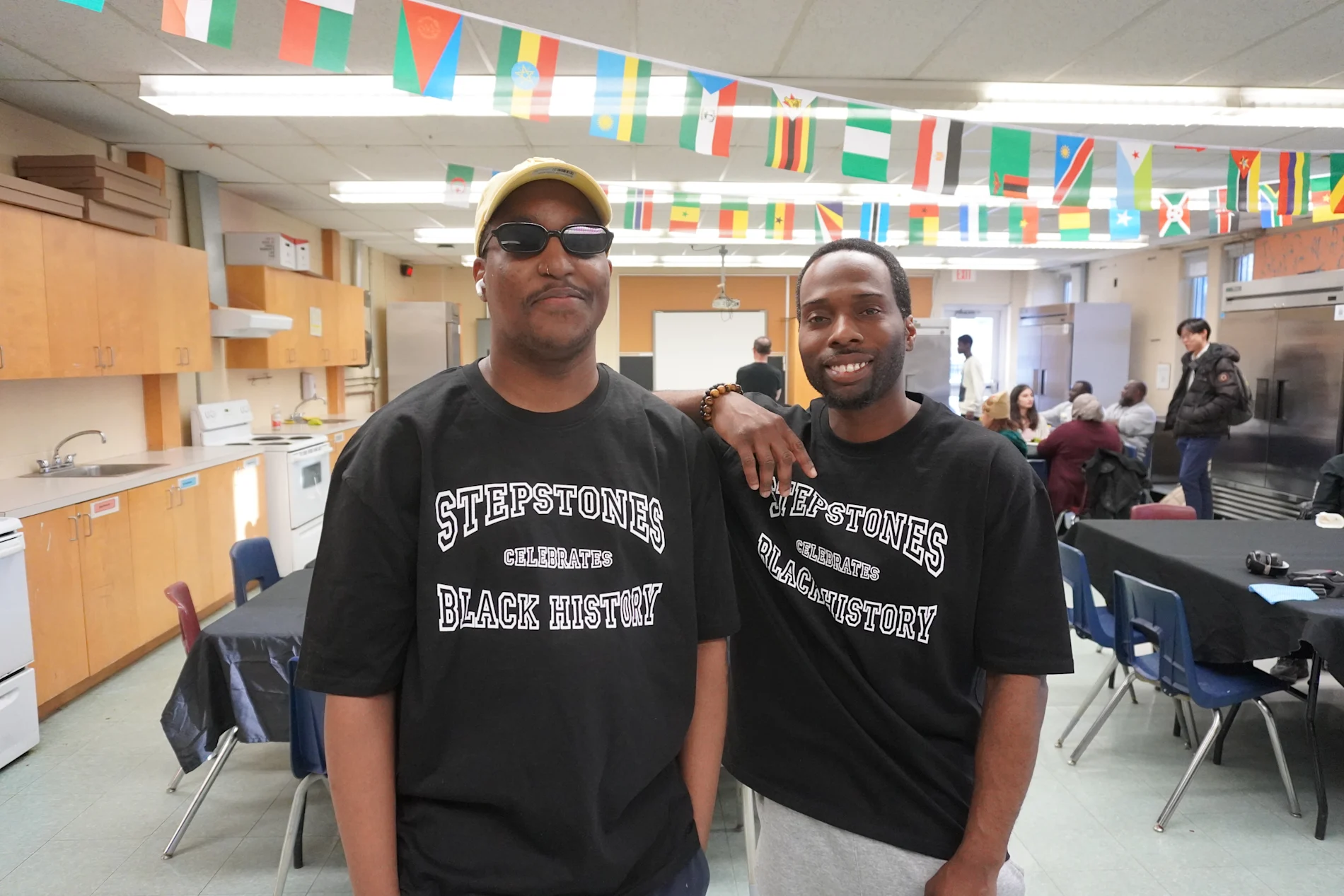
For youth leaving the foster care system, the transition to adulthood can be marked by instability, loss and unprocessed trauma. What makes
StepStones for Youth
distinct in their approach is that they’re providing individualised and specialised support to a young person as they transition out of care and move into adulthood. Here’s how StepStones for Youth’s CEO, Heather O'Keefe describes it:"With significant experiences of abuse and neglect, many youth need mental health services far beyond traditional counselling to recover and thrive. StepStones facilitates trauma-informed supports that prioritize cultural relevance, strong connections and a sense of belonging. Our partnership with TELUS creates transformative outcomes in youth mental health."
Built for the individual, not the system
The mental health challenges facing Canada’s youth are complex, and the solutions must be equally nuanced. Moving beyond a one-size-fits-all approach means acknowledging that a youth’s identity, location, and lived experience are not obstacles to care, they are central to it.
Funding these diverse, community-led programs ensures every young person has access to the specific, individualized mental health support and they need to reach their full potential.